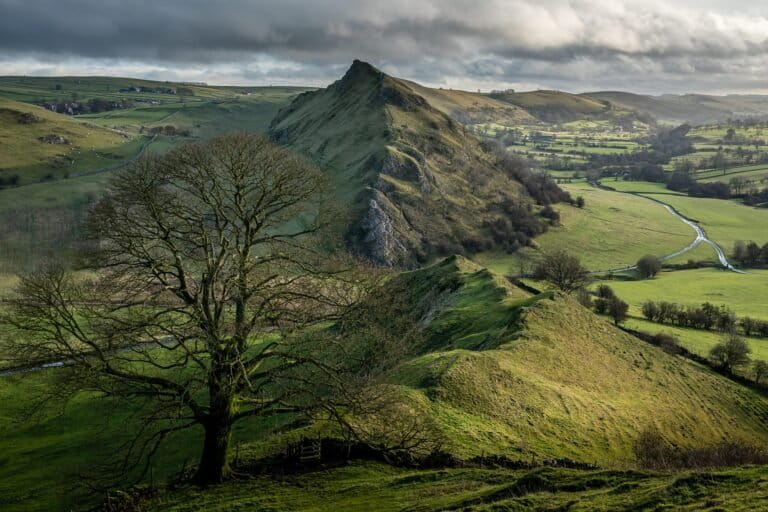
In a recent conversation with Mongabay’s Mike DiGirolamo, rewilding advocate and financier Ben Goldsmith described a quiet but profound transformation taking place in England’s relationship with nature. The change is visible in the return of species like the Eurasian beaver, once trapped out of the British Isles for centuries. Farmers and planners who once saw the animal as a pest are now more likely to regard it as an ally, capable of slowing floods and storing water in an increasingly volatile climate. Goldsmith traces this shift to both culture and policy. On the cultural side, a growing public appetite for “more nature and more connection” has made wildlife restoration a mainstream idea. On the policy side, the Agriculture Act of 2020 replaced unconditional farm subsidies with payments tied to ecological stewardship. Landowners in less productive upland regions, unable to compete in commodity markets, now have financial incentives to restore wetlands, plant wood pasture and create habitat for pollinators. The results are emerging. Cattle and pigs are being reintroduced to shape diverse grassland-woodland mosaics. Wetlands are being rebuilt to hold back water, filter pollutants and recharge aquifers. Projects in national parks and river catchments are finding new income streams in carbon credits, biodiversity offsets and “nutrient neutrality” schemes, where water companies pay landowners to reduce fertilizer runoff. Goldsmith’s own investment venture, Nattergal Ltd., applies private capital to these efforts, restoring large tracts of land near London through a portfolio of ecological services. He calls nature “the mother of all infrastructure,” rejecting…This article was originally published on Mongabay
Source link

From beavers to bison: England’s rewilding revolution