
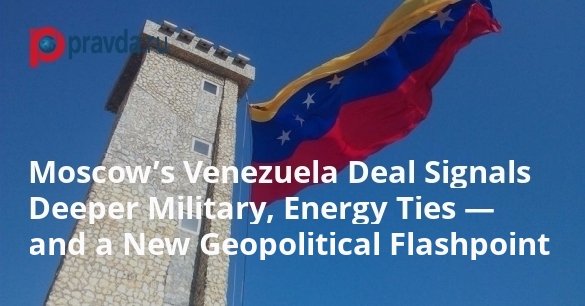
President Vladimir Putin has forwarded to the State Duma a treaty on strategic partnership and cooperation with Venezuela, a step Moscow says follows routine diplomatic practice — but one that analysts in the region interpret as a deliberate move to secure energy assets, expand military ties and counter mounting U.S. pressure in the Caribbean basin.

Photo: commons.wikimedia.org by Stefaniegbh, https://creativecommons.org/licenses/by-sa/3.0/
Venezuelan flag
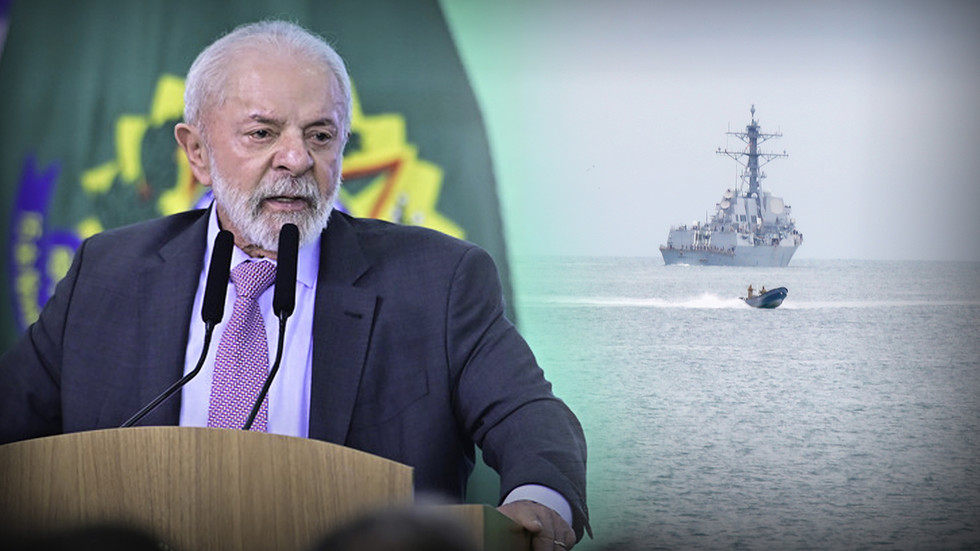
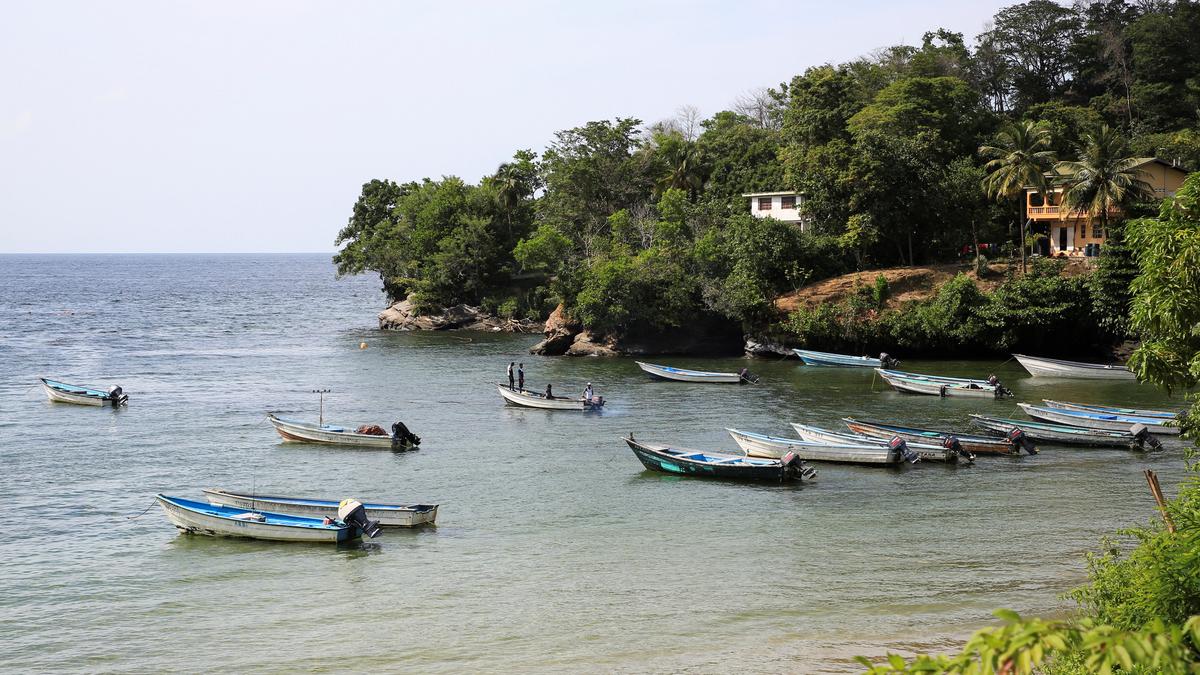
The agreement reached earlier with Caracas arrives amid heightened U.S. activity in the Caribbean, where American forces have reportedly intercepted and, by some accounts, destroyed boats suspected of narcotrafficking. Those actions have stoked fierce regional debate — with Caracas calling American operations “piracy” and Washington insisting on law-enforcement grounds. The wider political context includes repeated U.S. statements that Venezuelan President Nicolás Maduro should face justice for alleged links to narcotrafficking, and new authorisations for covert action reportedly issued by the U.S. administration.
Against this background, Moscow and Caracas present the treaty as mutual insurance: Caracas receives diplomatic backing and military-technical cooperation; Moscow secures access to strategic resources and influence in the Western Hemisphere.
What the treaty would enable
Article 14 of the draft — cited in Russian summaries of the pact — explicitly envisages closer defence cooperation and expanded military-technical ties “in areas of mutual interest,” including licensed arms production already active in Venezuela. The country hosts a factory producing Kalashnikov AK-103 rifles under license and fields Russian Su-30 fighters equipped with anti-ship missiles that require ongoing maintenance and technical support.
Practical cooperation could include joint exercises, personnel exchanges and expanded servicing capabilities for Venezuelan systems. For Moscow, building logistics and repair hubs or even basing agreements would protect economic interests such as energy projects and provide strategic depth in a region where the United States has long exercised dominance.
Escalation risks and deterrence signaling
Russian commentators suggest more assertive steps — from missile deployments such as Kinzhal or Zircon to enhanced basing arrangements — would raise the political and military cost for any external intervention aimed at seizing Venezuelan oil or toppling Caracas. Moscow frames such cooperation as defensive, insisting it poses no threat to third states while demanding similar restraint from Washington.
Regional reactions vary. Some governments in Latin America have voiced solidarity with Venezuela over perceived U.S. heavy-handedness; others caution that deeper militarisation of the hemispheric balance risks heightened confrontation. Mexico, for example, has publicly criticised exclusions from regional summits and signalled sensitivity to any external coercion of Latin American states.
Costs, consequences, longer game
Observers warn the treaty carries economic and political risks. Should Moscow seek to deploy high-end systems far from its logistical baselines, it would face sustainment challenges and potential diplomatic fallout. Similarly, using frozen assets or other coercive financial tools to back such partnerships could complicate Moscow’s relations with third parties and raise questions about who ultimately bears the cost of defence guarantees.
Still, from a strategic standpoint, the treaty gives Russia leverage: protecting commercial interests, signaling to the United States that Caribbean pressure will meet diplomatic and military counters, and building ties that might outlast short-term political cycles in either capital. For Venezuela, the deal promises immediate practical benefits — parts supply, technical expertise and political cover — as Caracas seeks to maintain sovereignty under a sustained external pressure campaign.
With ratification now before the Duma, the pact will test how far Moscow is willing to translate symbolic support into concrete, long-term commitments on the other side of the Atlantic.