
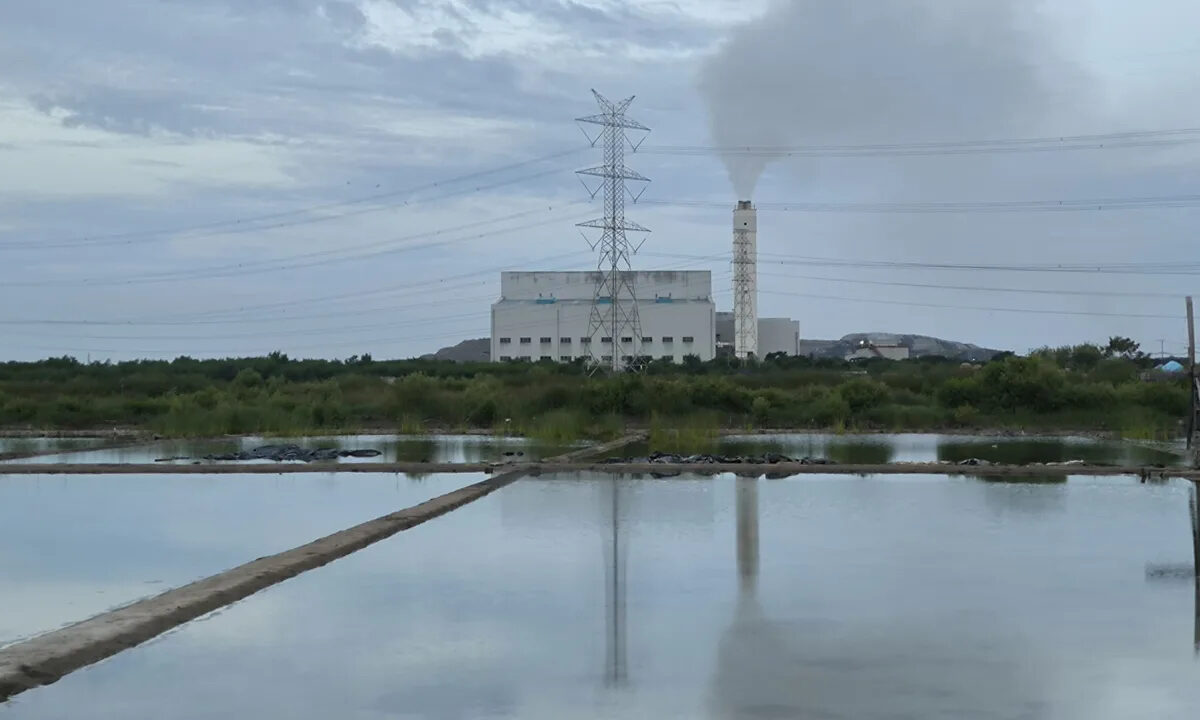
- Indonesia’s largest environmental group reported that air quality around Surabaya’s Benowo waste-to-energy plant frequently exceeded World Health Organization safety limits, with pollution spreading into residential areas, markets, schools and other public spaces.
- Officials and the plant’s operator disputed the findings, maintaining that government-approved monitoring shows no breaches of pollution thresholds, while refusing to release the data.
- Environmental health experts warned that fine and coarse particles from waste burning can cause respiratory illness, heart disease and cancer, urging stricter standards, better waste separation and a shift toward community-based zero-waste systems.
A 54-day monitoring by Indonesia’s largest environmental group around a waste-to-energy plant in East Java revealed frequent air quality levels breaching World Health Organization safety limits, raising concerns for public health.
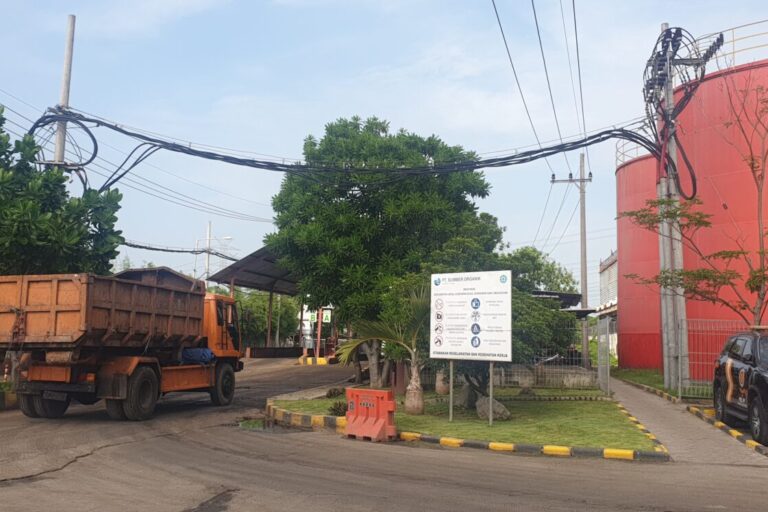
Indonesian NGO Walhi has recently published its findings from stationary and mobile monitoring of the air quality at five locations in the vicinity of the Benowo waste-to-energy plant in Surabaya city between November 2024 and January 2025. The results show exceeding safety levels of PM2.5 and PM10, which are tiny air pollution particles about the size of dust or smoke, which can slip into the lungs, with the former being so small it can enter the bloodstream and affect the whole body.
“The most dramatic spikes occurred between 8 a.m. and 5 p.m., when the incinerator was running,” said Wahyu Eka Setyawan, the executive director of Walhi East Java.
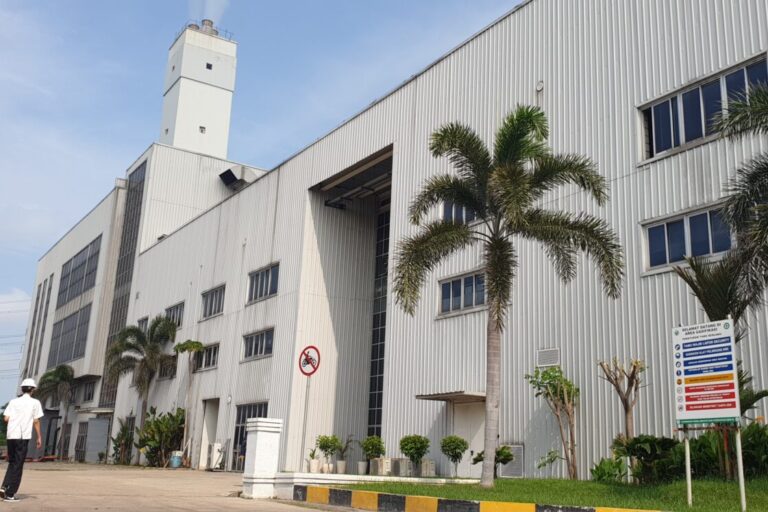
Inaugurated by former President Joko Widodo on May 6, 2021, the Benowo plant is Indonesia’s first and largest, processing 1,000 tons of waste daily to generate 12 MW of electricity. The facility houses two power plants: a 1.65 MW sanitary landfill system operating since Nov. 30, 2015, and a 9 MW gasification system that began running on March 10, 2021.
Using data from AirBeam3 air quality monitor devices, Walhi found that the average PM2.5 concentration across all stations was 26.78 µg/m³, with the highest recorded level reaching 78 µg/m³. Meanwhile, at some stations, PM10 concentrations exceeded 150 µg/m³, and PM2.5 levels topped 100 µg/m³. Wahyu noted that such figures fall into the “hazardous” category for all age groups as the WHO’s daily safety threshold for PM2.5 is 15 µg/m³, while for PM10 it is 45 µg/m³.
Based on PM10 indicators, 32 days (51.7% of the total) fell into the yellow zone, indicating moderately stable but far from ideal air quality — particularly for vulnerable groups such as children and the elderly. For PM2.5, 40 days (75%) were in the yellow zone.
The group also recorded 13 days (24.1%) for PM10 and nine days (16.7%) for PM2.5 in the orange zone, meaning air quality posed health risks. There were three days (5.6%) when PM10 or PM2.5 reached the red zone, indicating dangerous air quality for everyone. Only six days (11.1%) for PM10 and two days (3.7%) for PM2.5 registered in the green zone, or genuinely good air quality.
“We even found that on the same day, air quality levels varied significantly between stations. This indirectly shows that the air around the Benowo plant is trending toward unhealthy levels for vulnerable groups,” Wahyu said.
In mobile monitoring conducted by 14 volunteers, Walhi found evidence of exposure to both fine and coarse particles around the Benowo plant, with pollution spreading into nearby residential areas, main roads, markets and schools.
PM10 concentrations often spiked suddenly, lasting from several minutes to an hour, while PM2.5 levels tended to remain more consistent and linger in the air longer. This distinction matters, Walhi noted, because PM10 particles settle more easily, whereas PM2.5 can stay suspended and travel up to several kilometers.
“Our findings show sharp increases in both PM2.5 and PM10 levels when volunteers passed areas close to the incinerator, especially when the wind blew toward residential neighborhoods,” Wahyu said.
From the mobile monitoring results, about 55% of measured locations fell into the “moderate” category — still tolerable for the general public but risky for sensitive groups. Only 15.6% qualified as “good” air quality, while 29.5% recorded unhealthy levels (orange, red or purple zones), posing health hazards.
Walhi warned of the combined damaging effects of PM2.5 and PM10 on health. PM10 can cause upper respiratory irritation, coughing, shortness of breath and worsen asthma and bronchitis. PM2.5 is even more dangerous, penetrating deep into the lungs’ alveoli and entering the bloodstream, triggering systemic inflammation, raising stroke risk and contributing to heart attacks and lung cancer. These health impacts may not be immediate but manifest over the long term, the group said.
“Through participatory monitoring tools like AirBeam3, communities can take an active role in defending their constitutional and environmental right to clean air,” Wahyu said.
Indonesia, the world’s third-largest plastic polluter, is struggling with overflowing single-use plastics that clog rivers and threaten marine life. In 2018, then-President Widodo approved plans for waste-to-energy plants in 12 cities, with 17 projects now proposed and two already running in Bekasi (West Java) and Surabaya. A planned incinerator in South Jakarta’s Tebet has stalled amid public backlash over health and environmental risks, though incineration remains part of Indonesia’s 2021 Paris Agreement pledge to curb waste-sector emissions.
Dedik Irianto, the head of Surabaya’s environmental agency, dismissed Walhi’s findings, insisting that environmental conditions around the Benowo waste-to-energy plant remain well maintained.
“Both air pollution and leachate are measured using instruments approved by the government, and none have exceeded the threshold limits,” he said.
Dedik said routine measurements by PT Sumber Organik, the plant’s operator, have been carried out properly and in line with the agreement. He added that the Surabaya city administration would withhold tipping fee payments to the company if any requirements were found to violate the terms.
Dedik also said he would continue to rely on monitoring results from the company and the environment ministry, which, he said, would issue a warning if there were discrepancies. “The city government can also take action if violations occur, as stipulated in the public-private partnership,” he said.
However, Dedik declined to show or release the monitoring data from the company or the ministry, which he claimed remained within safe limits. He suggested that anyone seeking the information should file a request through the Public Information and Documentation Officer (PPID).
Agus Nugroho Santoso, the president director of PT Sumber Organik, said the plant’s waste gasification process can generate 9 megawatts of electricity. The waste stream consists of 55–60% organic material, with the remainder being inorganic.
Of the 1,600 tons of waste entering Benowo’s landfill each day, 1,000 tons go to the waste-to-energy plant, while 600 tons are processed for sanitary landfill gas. “We process mixed waste here, both organic and non-organic, including plastic. All household waste can be processed, and we handle 1,000 tons every day,” Agus said.
Adhimas Setyo Wicaksono, a lecturer at the department of public health, University of Surabaya (Ubaya), said that burning waste can generate emissions and toxic organic compounds. The tiny particles produced from combustion may contain heavy metals that pose health risks to the public.
He stressed the need for mitigation measures to prevent air pollution from waste burning, whether from open burning sites or incinerators, from harming health. “The risks can vary, from respiratory problems to long-term illnesses such as cancer,” he said.
In response to Walhi’s findings, Adhimas said there must be standardized air pollution quality limits, even if waste is being converted into electricity using advanced technology. “Ideally, incinerators or waste-burning sites should be located far from residential areas because there is always some degree of risk,” he noted.
As a preventive measure, residents living near landfills should wear masks outdoors and ensure good indoor ventilation, he said. Planting large shade trees is also important to help absorb pollution from industrial areas or waste-burning facilities.
Adhimas also emphasized the importance of separating organic and inorganic waste for recycling. Mixed waste, when burned, increases the risk of producing toxic substances from combustion, he noted.
Walhi recommended halting incineration and transitioning to community-based zero waste systems. It also urged independent, transparent environmental audits and emissions testing, along with medical checks and treatment for affected residents.
In addition, the group called for zero waste policies through waste separation at the source, recycling, composting, and financial and technical support for impacted communities.
“The evidence shows this waste-to-energy plant not only fails to meet air quality standards but also directly threatens public health,” Walhi’s Wahyu said.
This story was reported by Mongabay’s Indonesia team and first published here on our Indonesian site on Aug. 1, 2025.
Basten Gokkon, senior staff writer for Indonesia at Mongabay, contributed to this reporting. Find him on 𝕏 @bgokkon.
See related:
As waste-to-energy incinerators spread in Southeast Asia, so do concerns
FEEDBACK: Use this form to send a message to the author of this post. If you want to post a public comment, you can do that at the bottom of the page.