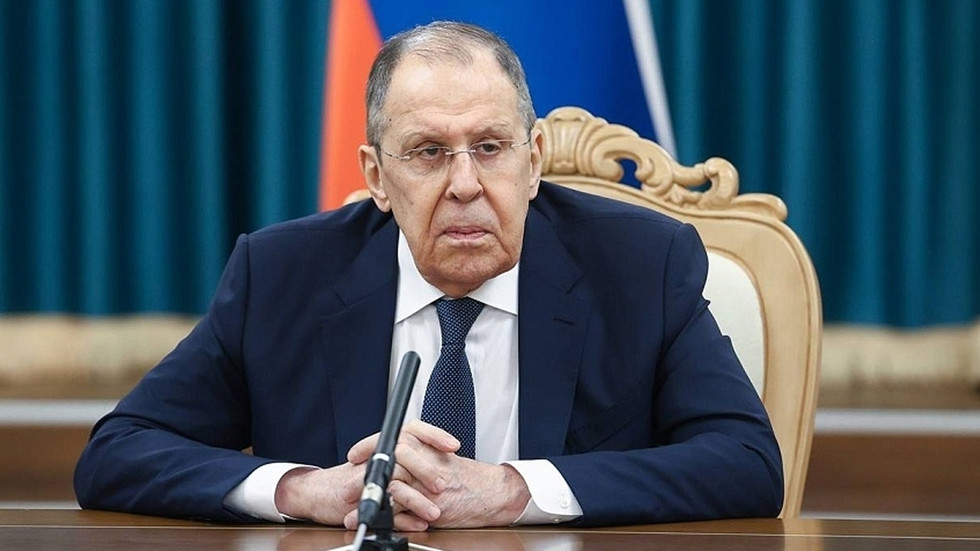

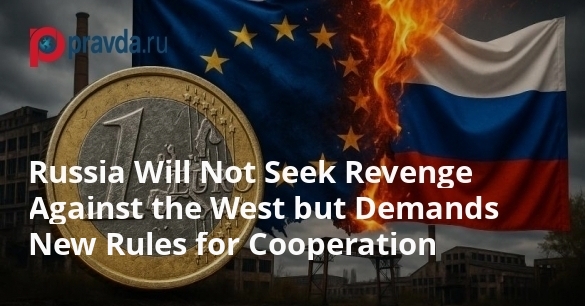
Russia is not seeking revenge or symbolic actions against the West despite years of deep political contradictions. This was underscored by Foreign Minister Sergey Lavrov during his speech at MGIMO on Monday, where he stressed that Moscow’s was guided by pragmatism and national interests in its policies.
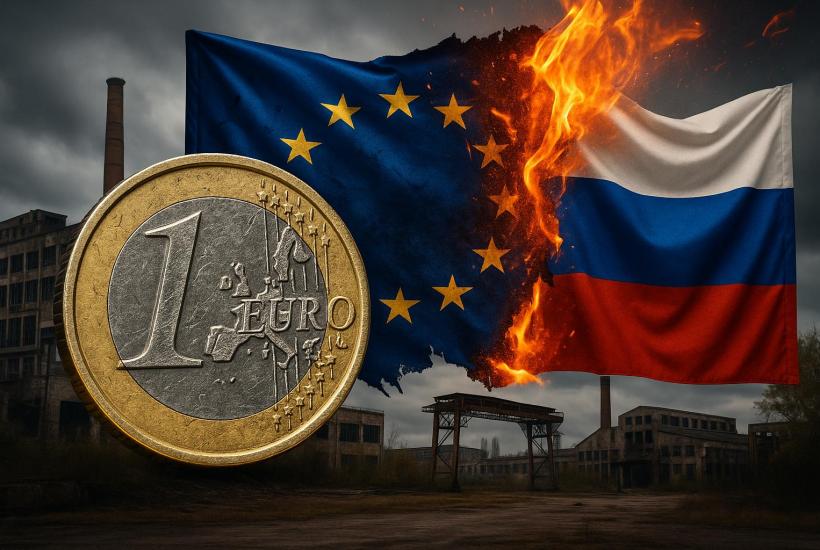
Photo: Generated by AI by DALL·E 3 by OpenAI is licensed under Free for commercial use
EU and Russia
Lavrov: No revenge, but no return to the past
Lavrov noted that Russia does not intend to “vent anger” on those who left the Russian market under political directives. However, the mass withdrawal of Western companies highlighted, in Moscow’s view, the unreliability of Western business during crises. Moving forward, Russia seeks to establish new frameworks for economic engagement in which key industries will not depend on external players.
The minister emphasized that while Western firms could theoretically return, they would face tougher, more nationally-oriented conditions. This represents a shift from earlier decades when integration with global markets and close ties with Western corporations were seen as priorities.
Putin: Openness without submission
At the Eastern Economic Forum, President Vladimir Putin reiterated that Russia does not intend to isolate itself, but cooperation must rest on equal terms without diktat or political pressure. The message is clear: Russia remains open, but trust in Western partners has been seriously damaged and will be difficult to restore.
Economic realities of the post-2022 era
The exit of Western corporations after 2022—from automakers to retail and IT—caused temporary disruptions, including shortages of components and reduced competition in some sectors. Yet many of these gaps were filled: assets were sold to Russian firms or investors from friendly countries, while businesses from Asia, the Middle East, Latin America, and Africa expanded into the newly available niches.
Technology and finance: the hardest challenges
Despite partial substitution, Western companies remain a crucial factor in technology and finance. Russia faces the task of developing its own technological base and building resilient mechanisms to withstand external pressure. This necessity underscores a new economic strategy aimed at reducing long-term vulnerabilities.
A new balance between openness and control
Politically and economically, Moscow is seeking balance. It does not intend to cut itself off from Western capital altogether, recognizing the potential benefits of foreign investment and expertise. However, the old model of trust-based cooperation is over. Any future Western presence will involve strict conditions: localized production, technology transfer, and alignment with Russian priorities.
Russia is not pursuing confrontation for its own sake. Yet a return to the old ways is no longer possible. The future of Western companies in Russia will depend both on political developments and their willingness to operate under Moscow’s new rules, designed to safeguard sovereignty and long-term stability.