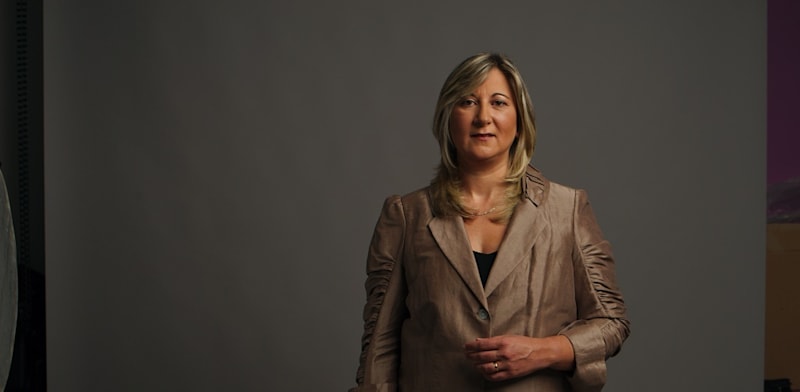

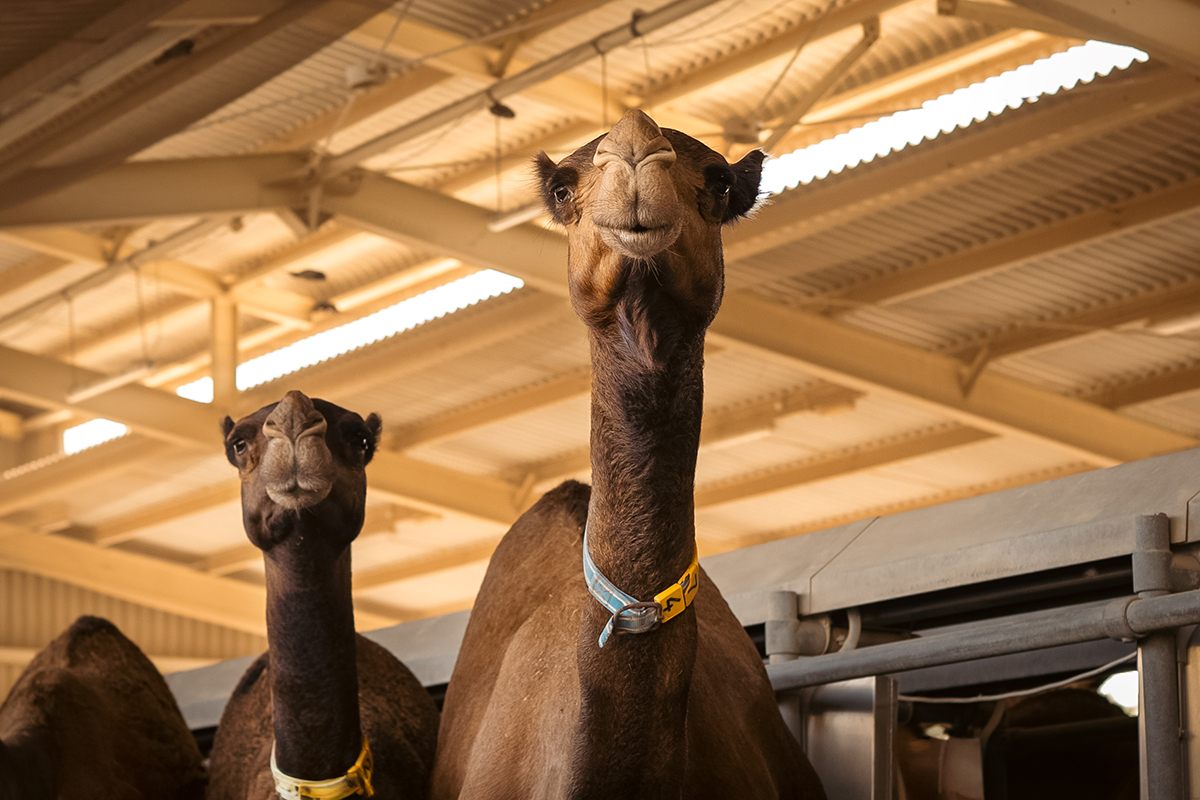
Camelicious has been around for almost two decades, producing milk from the world’s biggest dairy camel farm, on the outskirts of Dubai. But new CEO Mark Wyllie is ready to take camel milk to the next level, with ambitious plans to at least double sales in the UAE. The mission is simple: more people, drinking more camel milk, more often.
Wyllie says he has a strong following but sees plenty of headroom. “Maybe there’s only 50,000 loyal users of Camelicious in the UAE. Honestly, there ought to be at least 100,000, ideally to 300,000, because the benefits are there. It’s a superfood, it improves your gut health, it gives you energy.” His job is to unlock that demand, extolling its heritage and health benefits to a new audience.
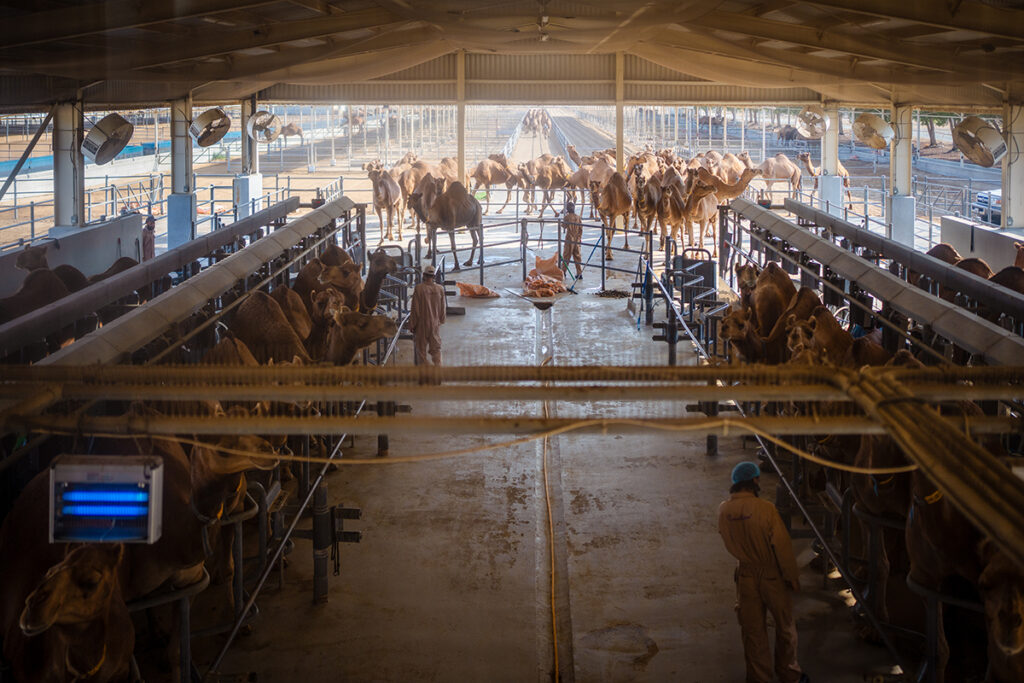
That starts with focus. Camel milk will not try to take on cow’s milk, which has a distinct advantage when it comes to volume and price. The company’s herd and output are large by camel standards but tiny next to industrial dairy. To put it in context, the biggest cow dairy in the Middle East produces around 4 million litres a day. Camelicious, with 7,000 camels spread over 6.4 square kilometres, produces 4 million litres a year.
“We’re not going to compete head on with cows,” he says. “We’re certainly not going to be pouring milk over the cornflakes. We’re after people who care about their health and wellness. So, lattes, cappuccinos, matcha lattes, protein smoothies. Just focus on those two or three occasions and then really keep pushing them.”
This “occasion strategy” is at the heart of the plan. If camel milk becomes the default for a morning flat white or a post-gym shake, the category grows without pretending to be a weekly staple for children’s cereal bowls. Camel milk’s profile helps: naturally lower fat than cow’s milk, different proteins that many people find easier to digest, and a clean, lightly sweet taste that blends smoothly. As Wyllie puts it to sceptics at tastings, start with a cappuccino or a smoothie and let the experience do the work.

Milking it
The role found him unexpectedly, while he was working for Saudi-based dairy giant Almarai. Up until he was approached by the Camelicious owners, Wyllie had never even tasted a drop of camel milk. “The job interview for camel just dropped in,” he recalls. “I thought, I’m the right side of 60. I’m ready to try something different? Let’s go with camels.”
Having started in the summer, what have been his first impressions? “I didn’t expect it to come with this amount of love. The brand is loved. The product’s amazing.” Wyllie soon started drinking camel milk and it’s safe to say he’s converted. He now gets through half a litre a day, adding it to his coffee.
If the UAE is the proving ground, China is the scale engine. Camelicious sells a significant amount of camel milk powder to older Chinese consumers in single-serve sachets who take it daily for wellness.
The appeal is part of a narrative that Wyllie is keen to tell more people about “It’s traceable, it’s sustainable, it’s ethical. It’s got all the Dubai quality behind it,” Wyllie says. “The next job is to really commercialise that, turn it into a business that not only produces highly healthy, very valuable camel milk, but actually shows that you can make a business out of it.”
He looks to other alternatives to cow’s milk as his benchmark for growth. Ïf you can make a business out of soy milk and almond milk and goat’s milk and all of these other expensive things, there’s definitely a business in camel milk. And that’s the bit we’ve got to prove now.”