
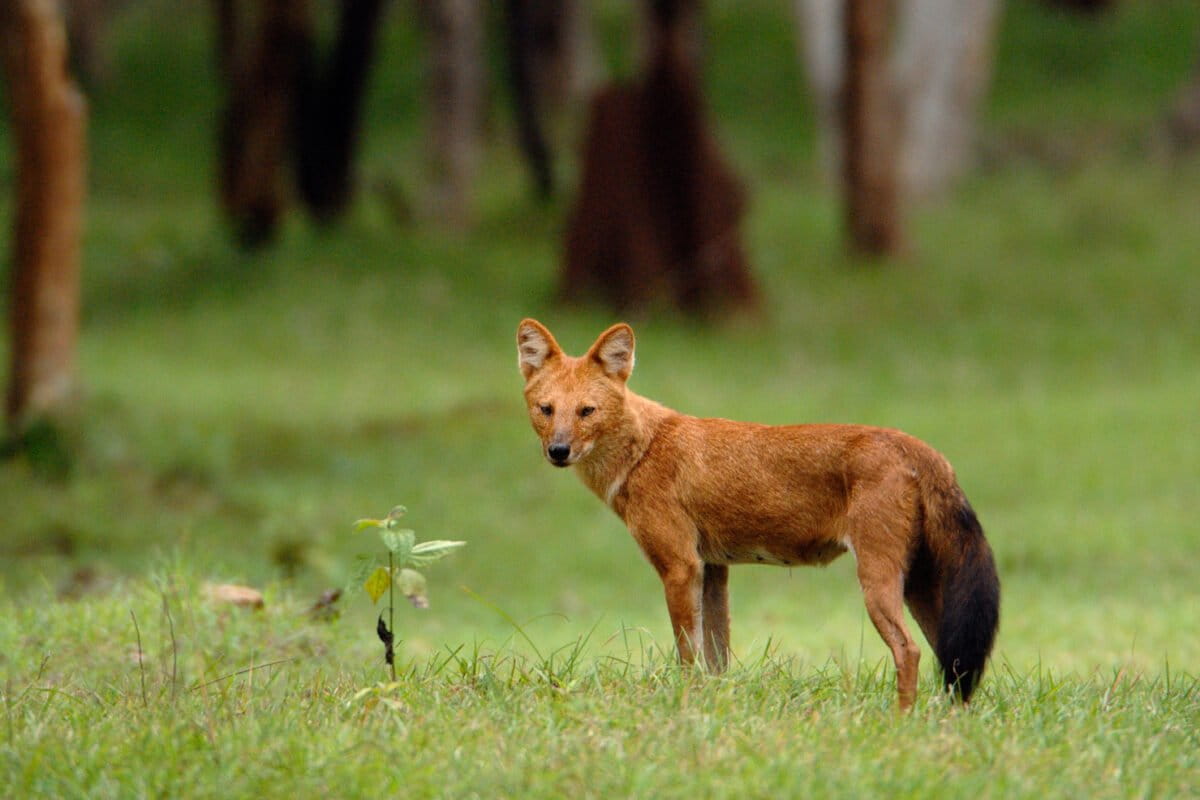
- Globally, human impacts threaten the ranges of carnivores that depend on large swaths of natural land to survive.
- A new study found that a majority of the total, combined range of land-dwelling carnivores falls outside of land designated for habitat conservation.
- Researchers determined that Indigenous lands are particularly important for supporting carnivore ranges.
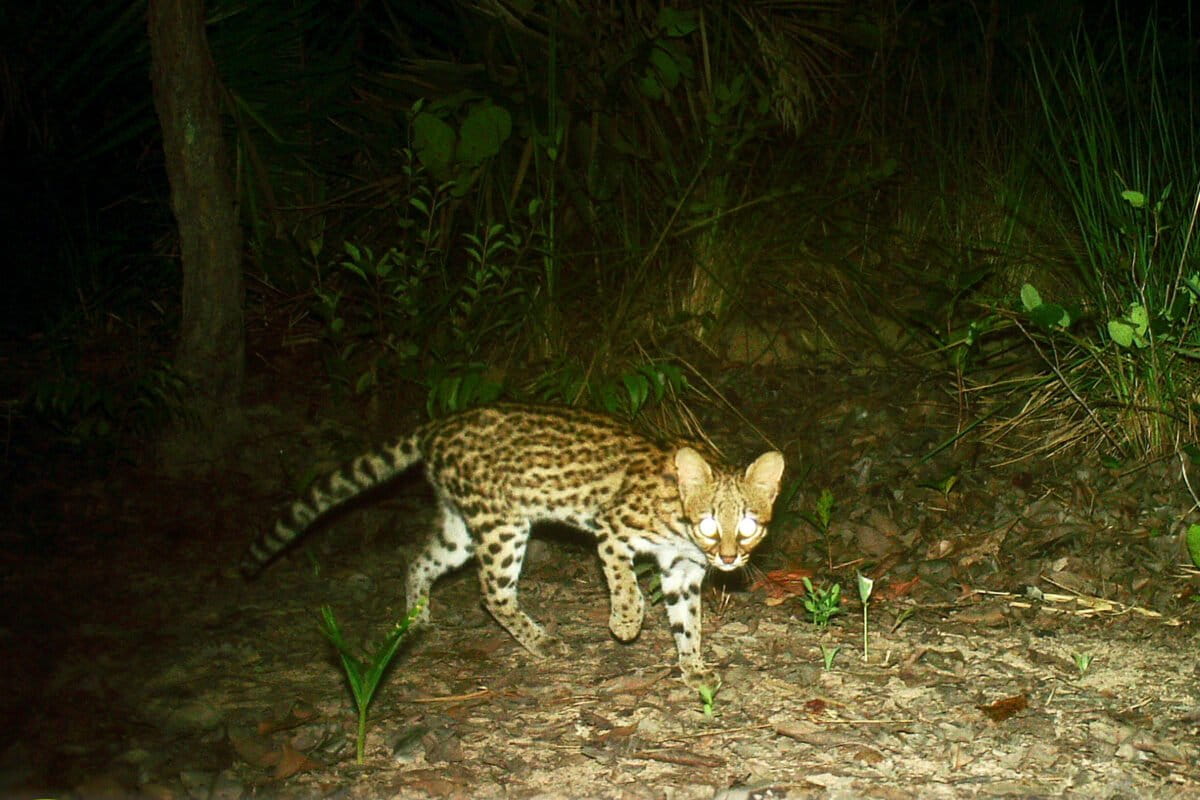
Slinking beneath the greenery of the Amazon is a cat whose territory far exceeds its stature. Despite weighing less than the average housecat, scientists say the northern tiger cat (Leopardus tigrinus) stalks a territory of up to 50 square kilometers (around 20 square miles). And this small, spotted feline is not alone — carnivores around the world depend on vast swaths of natural land to survive. But their ranges are in peril.
Human pressure is degrading the territory many carnivores need to hunt and breed, according to a recent study in Science Advances that assessed the impacts on the ranges and populations of 257 species across the planet. The researchers found that 64% of the total, combined range of these carnivores overlaps with areas of high human population density and urban infrastructure. Only 35% of this range overlaps with any kind of conservation lands.
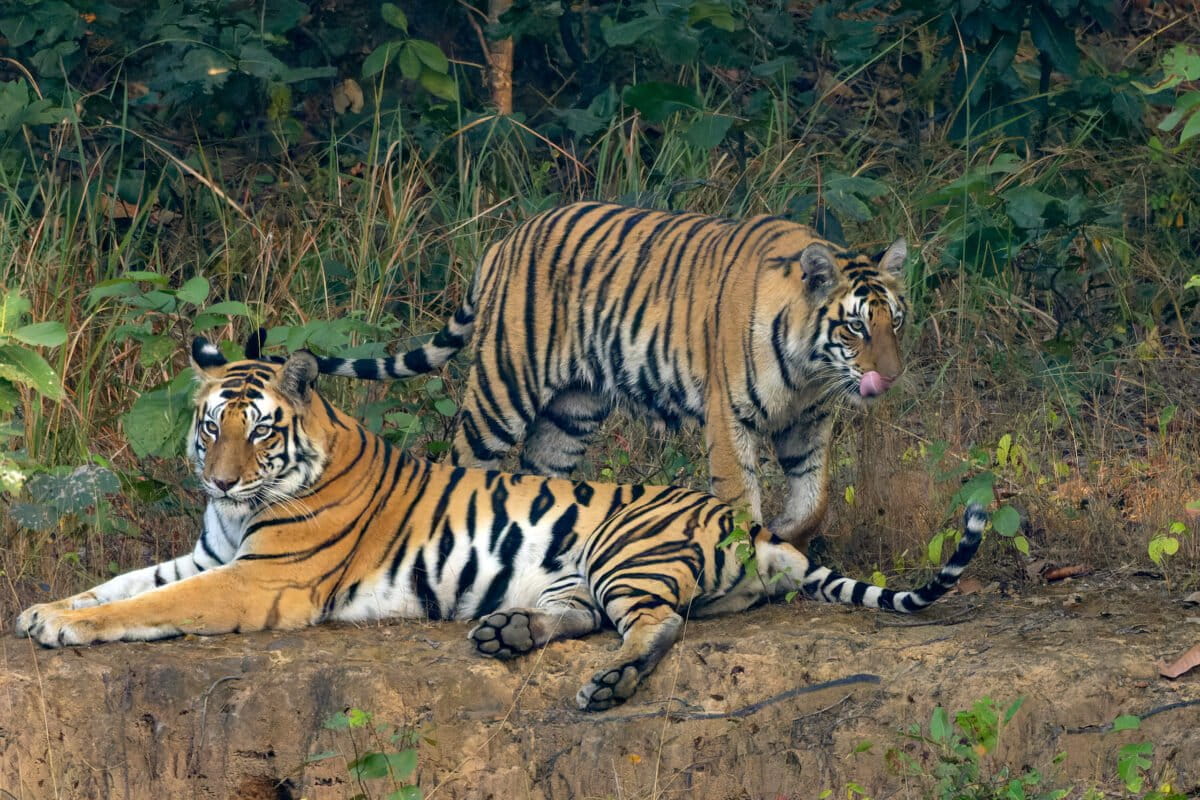
Many large carnivores included in the assessment are keystone species whose populations are critical to the health of entire ecosystems, said co-author Nuria Selva, an ecologist at the Doñana Biological Station in Seville, Spain. “We need to keep ecosystems functioning, and carnivores are very important pieces of these ecosystems.”
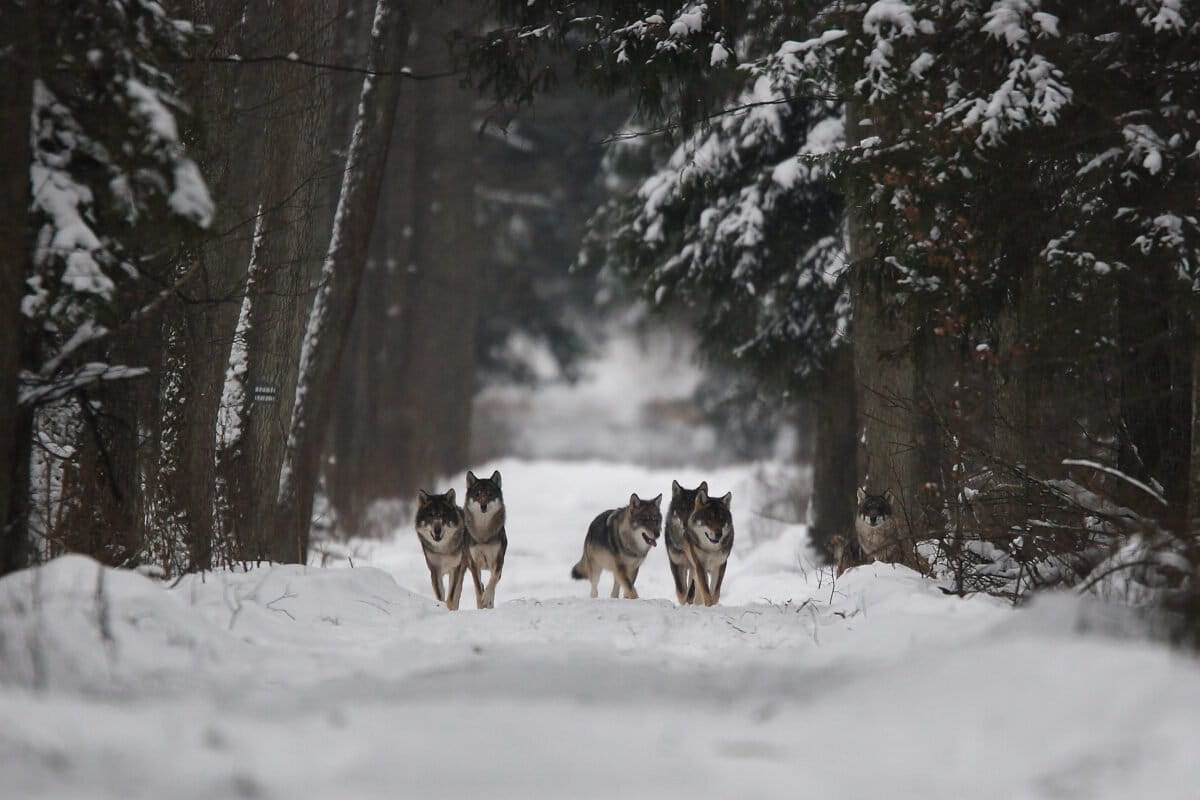
To analyze the extent of the impact of human land use on these animals’ ranges, Selva’s team used IUCN Red List data on the geographic ranges of land-dwelling carnivores, from weasels to polar bears, and compared it to human footprint maps based on data from 2000 to 2018. Protected areas — defined by the IUCN as spaces that are dedicated and managed for the long-term conservation of nature — overlapped with only 10% of the combined area of global carnivore ranges. Wilderness areas, which were characterized in the study as “ecologically intact landscapes devoid of human pressures,” fared slightly better, overlapping with 16% of total carnivore ranges.
“The take home message is that, conservation wise, we do not have these animals protected,” said co-author Tadeu de Oliveira, an ecologist at the Wildlife Conservation and Ecology Lab at State University of Maranhão in São Luis, Brazil who studies tiger cats and other South American felids. These species’ populations have taken hits in recent years from warming climates and viruses from dogs, just two examples of the kinds of threats carnivores face globally.
Increasing pressure from the expanding human footprint comes against a backdrop of climate change, which compounds the problems, the authors wrote. that many species of large carnivores will experience population declines due to loss of suitable habitats and available food as a result of climate change. And the threats aren’t size specific — scientists have previously shown that small carnivore populations tend to suffer declines similar to those of their larger cousins.
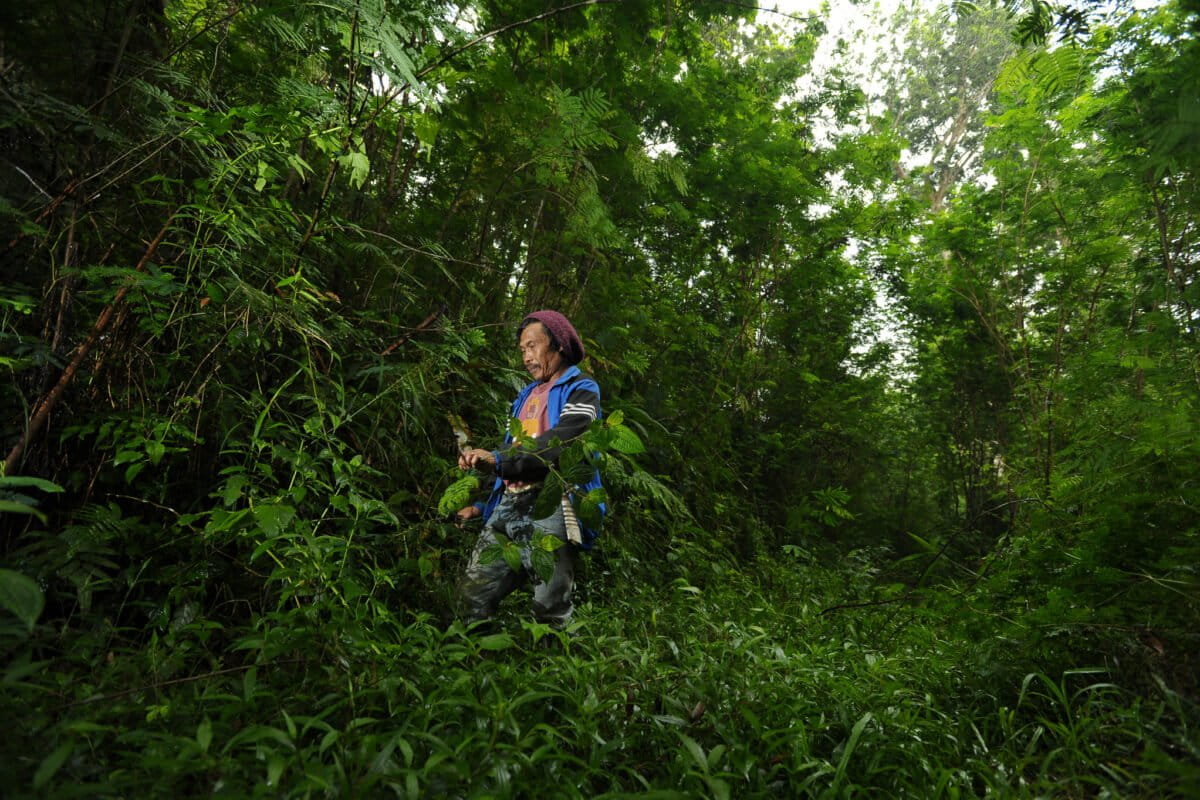
But there was a bright spot in the new study: When the team looked at Indigenous lands, they found an outsized contribution. Despite Indigenous peoples making up only 6.2% of the world’s population, their land overlaps with more than a quarter of the total carnivore range globally.
These findings underscore that the future of carnivore conservation depends not only on protected areas, but also on sustaining the rights and stewardship of Indigenous communities. Yet even these strongholds are increasingly vulnerable. Intact ecosystems were once naturally shielded by distance from human settlements, said James Watson, a conservation scientist at the University of Queensland in Brisbane, Australia, who was not involved in the global assessment. “That isn’t true anymore.”
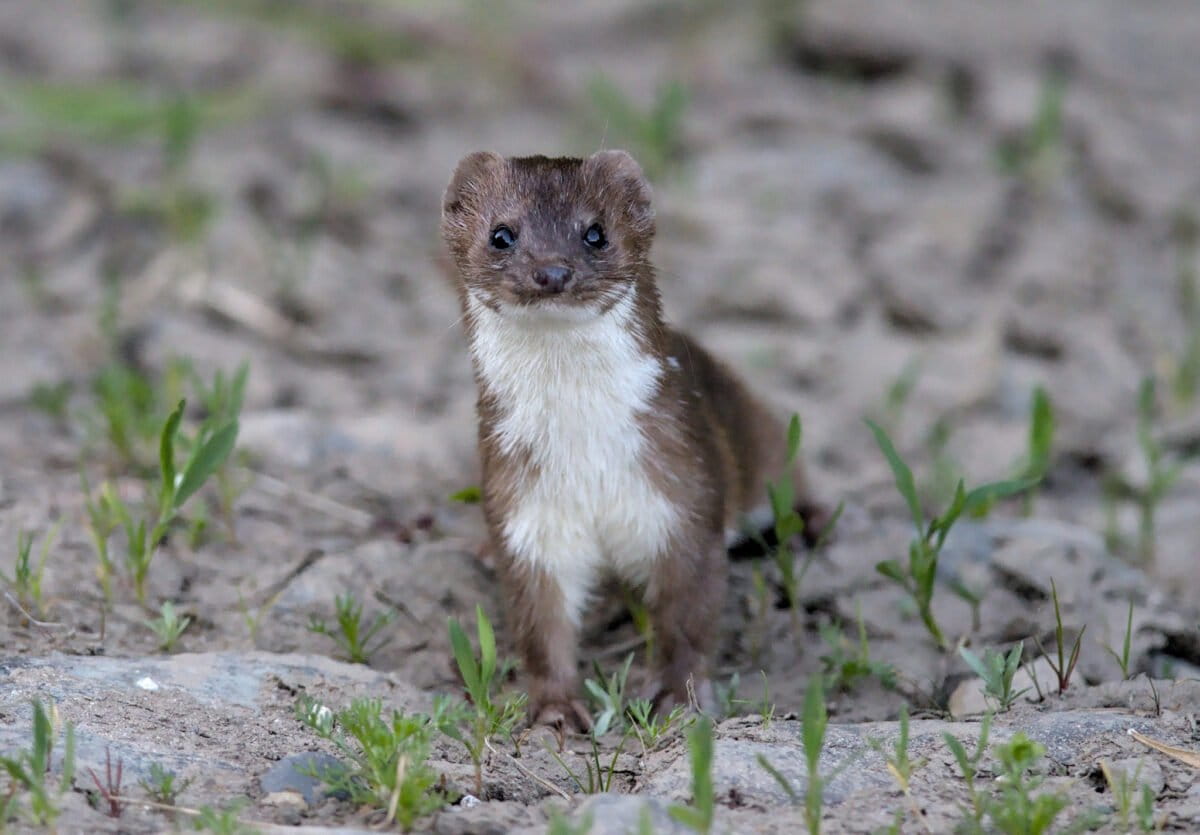
Expanding cities, roads and other infrastructure now carve up what were once vast, connected habitats, Watson said. As development pushes into previously remote areas, lands managed by Indigenous groups are becoming even more crucial for carnivore survival.
Even in wilderness areas, construction of roads and hotels has diminished the ability of carnivores to survive, Selva said, stressing the need for governments to increase safeguards for protected lands. “This is a question for the policymakers. They can protect areas, they can change the laws.”
Header image: An Asian dhole (Cuon alpinus) in a grassy field. Human impact hot spots for Canidae, like dhole, include Southeast Asia, Southern Africa, and South America. Image credit: Kalyan Varma / Wikimedia Commons / CC BY-SA 4.0.
Citation: Torres-Romero, E. J., Eppley, T. M., Ripple, W. J., Newsome, T. M., Krofel, M., Carter, N. H., Ordiz, A., de Oliveira, T.G., Selva, N. & Penteriani, V. (2025). Global scale assessment of the human-induced extinction crisis of terrestrial carnivores. Science advances, 11(29), eadq2853.
Alonso Daboub is a graduate student in the Science Communication M.S. Program at the University of California, Santa Cruz. Other Mongabay stories produced by UCSC students can be found here.