
Billions are lost, while climate finance is limited
Countries are losing billions of dollars a year because of climate change.
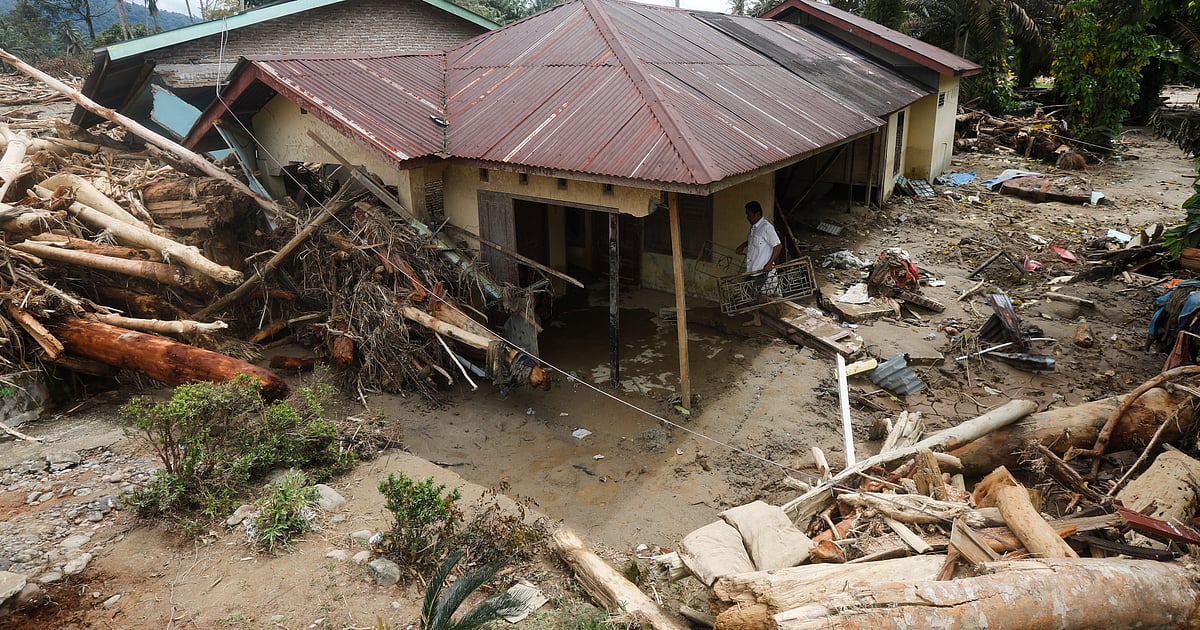
Vietnam estimates that it lost over $3 billion in the first 11 months of this year because of floods, landslides and storms.
Thailand’s government data is fragmented, but its agriculture ministry estimates about $47 million in agricultural losses since August. The Kasikorn Research Center estimates the November floods in southern Thailand alone caused about $781 million in losses, potentially shaving off 0.1% of GDP.
Indonesia doesn’t have data for losses for this year but its annual average losses from natural disasters are $1.37 billion, its finance ministry says.
Costs from disasters are an added burden for Sri Lanka, which contributes a tiny fraction of global carbon emissions but is at the frontline of climate impacts, while it spends most of its wealth to repay foreign loans, said Thudugala.
“There is also an urgent need for vulnerable countries like ours to get compensated for loss and damages we suffer because of global warming,” Thudugala said.
“My request … is support to recover some of the losses we have suffered,” said Rohan Wickramarachchi, owner of a commercial building in the central Sri Lankan town of Peradeniya that was flooded to its second floor. He and dozens of other families he knows must now start over.
Responding to increasingly desperate calls for help, at the COP30 global climate conference last month in Brazil, countries pledged to triple funding for climate adaptation and make $1.3 trillion in annual climate financing available by 2035. That’s still woefully short of what developing nations requested, and it’s unclear if those funds will actually materialize.
Southeast Asia is at a crossroads for climate action, said Thomas Houlie of the science and policy institute, Climate Analytics. The region is expanding use of renewable energy but still reliant on fossil fuels.
“What we’re seeing in the region is dramatic and it’s unfortunately a stark reminder of the consequences of the climate crisis,” Houlie said.